

TikTok has disclosed that it removed more than 4.3 million videos in Nigeria for violating its Community Guidelines in the second quarter of 2026, as the social media platform intensifies efforts to tackle misinformation and protect election integrity ahead of the 2027 general elections.
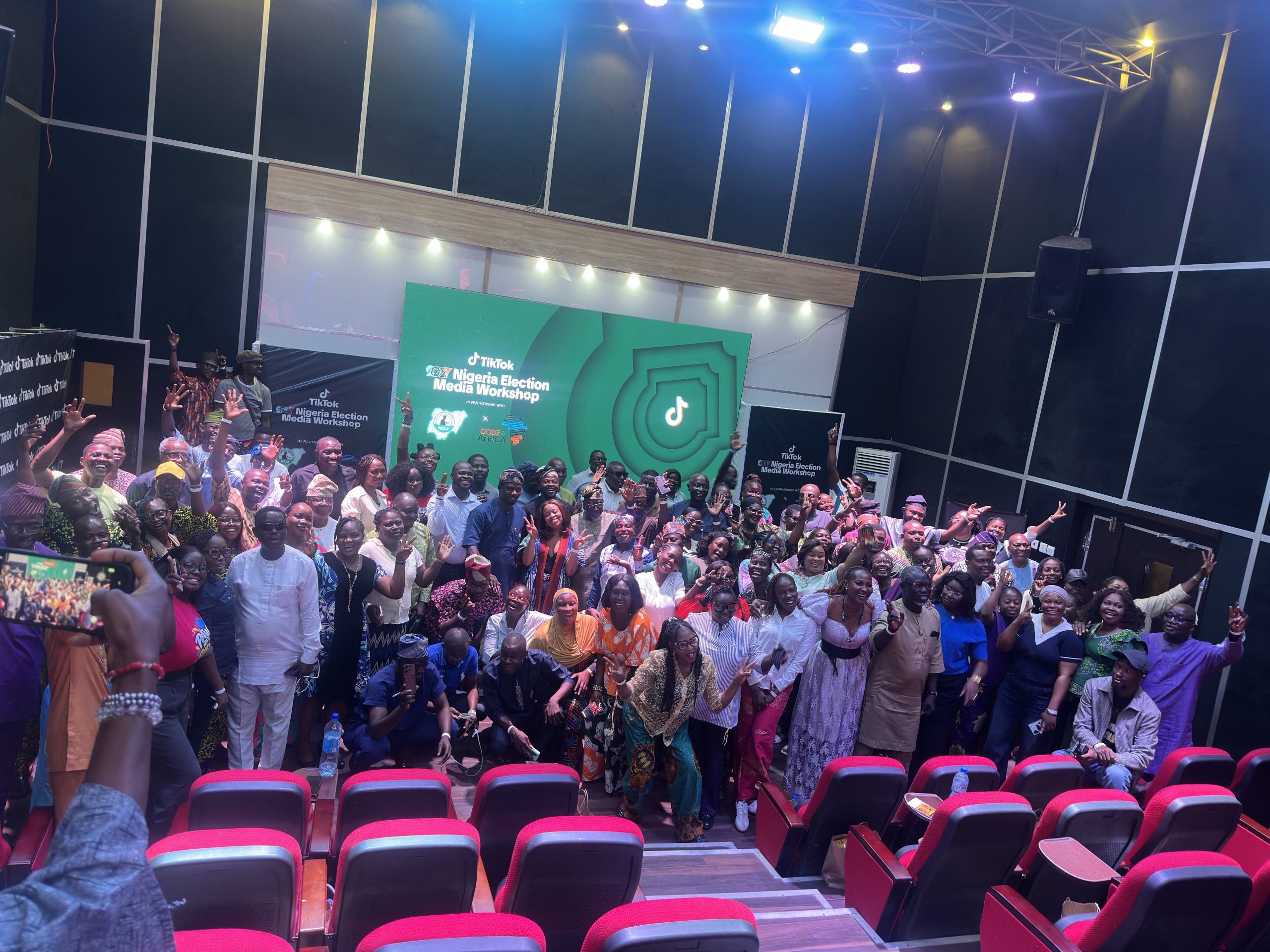
The disclosure was made by Keagile Makgoba, Head of Communications for TikTok in Sub-Saharan Africa, during a 2027 Nigeria Election Media Workshop organised in partnership with the Nigeria Union of Journalists (NUJ), Oyo State Council, in Ibadan, where 150 journalists were trained on identifying misinformation, verifying digital content and promoting responsible election reporting.
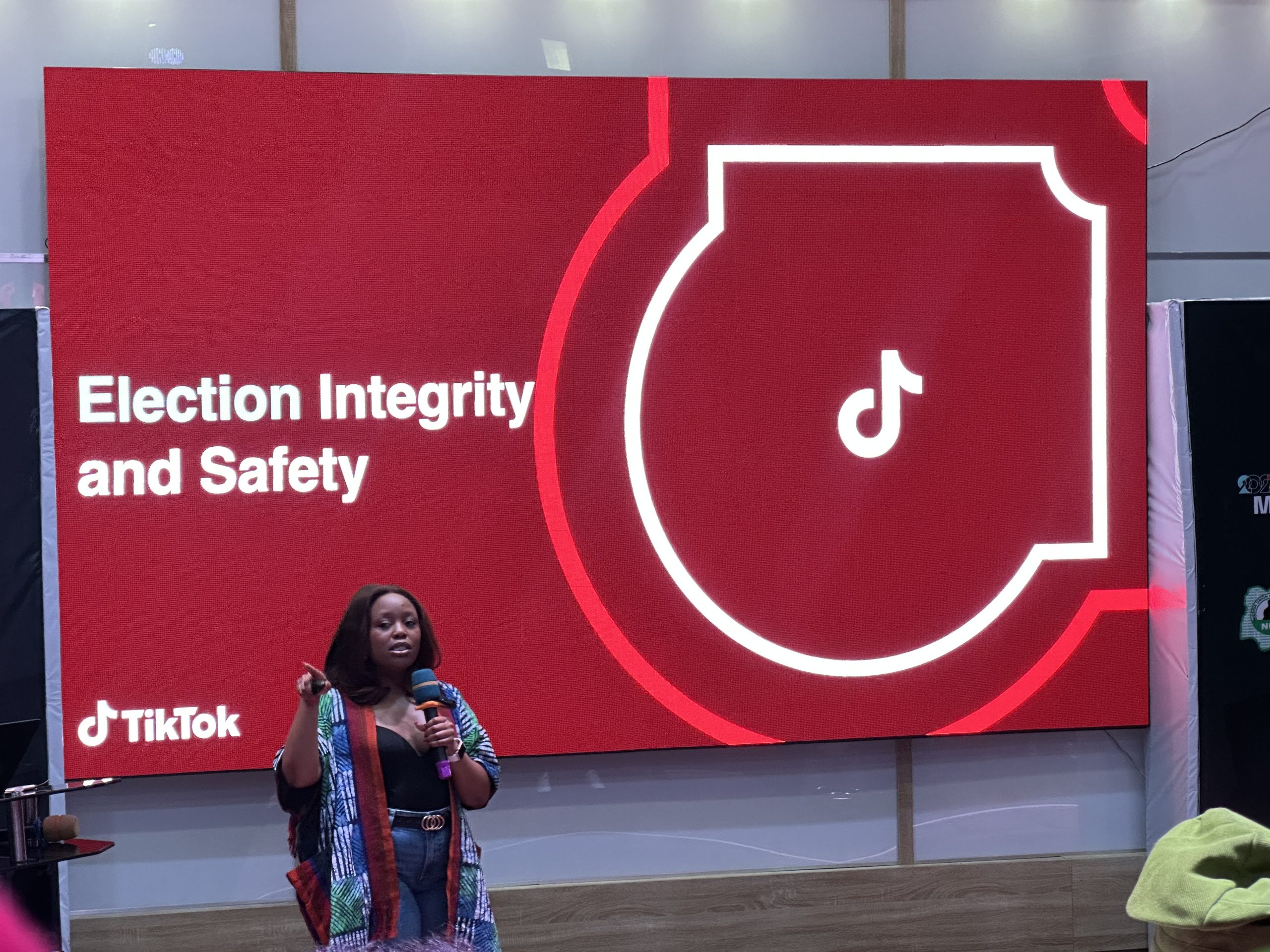
Makgoba said 4,378,587 videos were removed in Nigeria between April and June 2026, with 91.7 per cent taken down within 24 hours and 99.8 per cent removed proactively before users reported them.
She also disclosed that more than 210,000 videos violating TikTok’s civic and election integrity policies were removed globally within the same period, with 99 per cent taken down before being reported.
According to her, the platform combines automated detection technology with human moderation teams to identify harmful content, including misinformation, hate speech, deceptive behaviour and misleading artificial intelligence-generated materials.
TikTok partners INEC, Dubawa
She added that TikTok was working with the Independent National Electoral Commission (INEC) and DUBAWA in Nigeria to provide reliable election information through its in-app Election Centre.
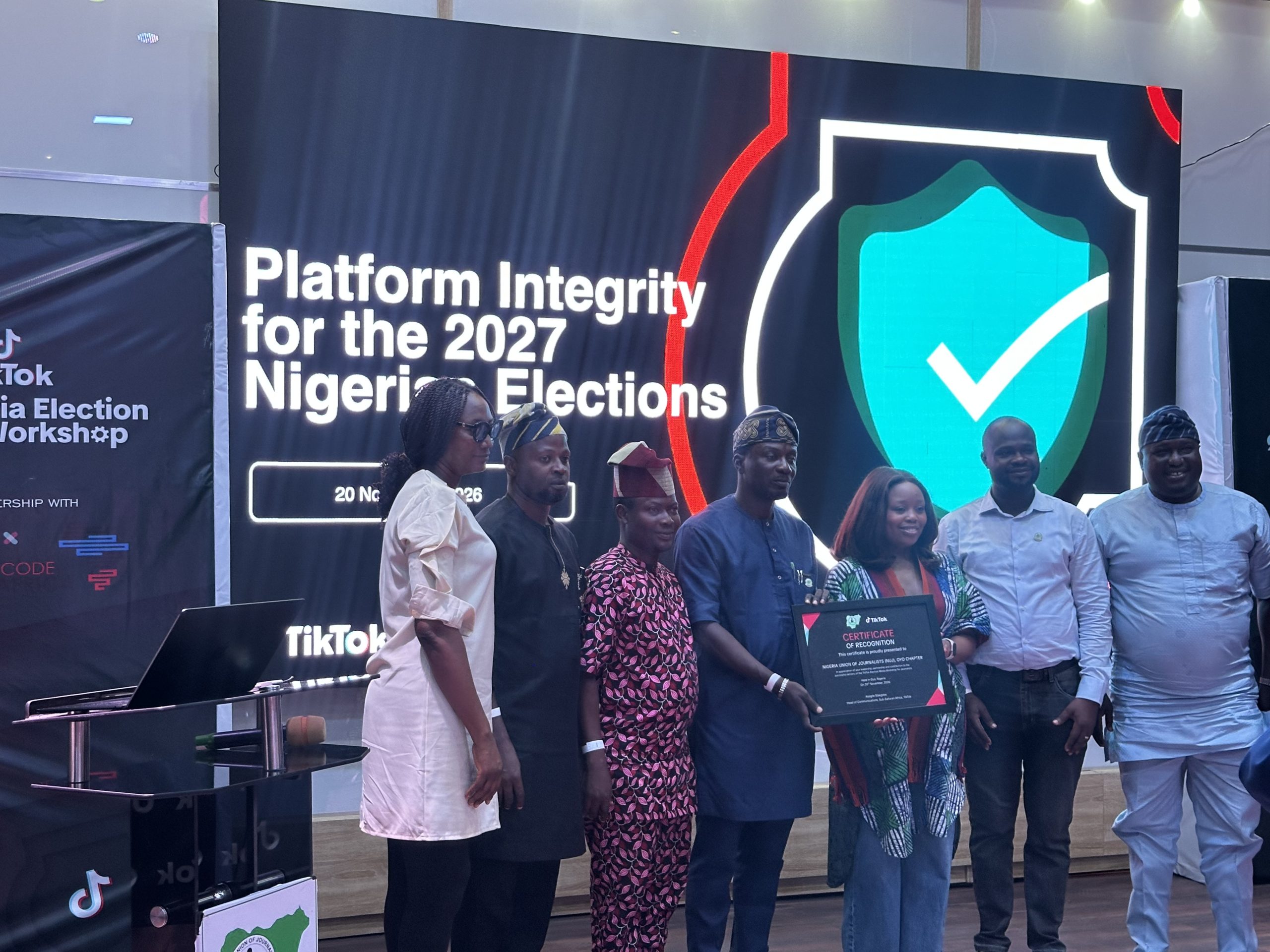
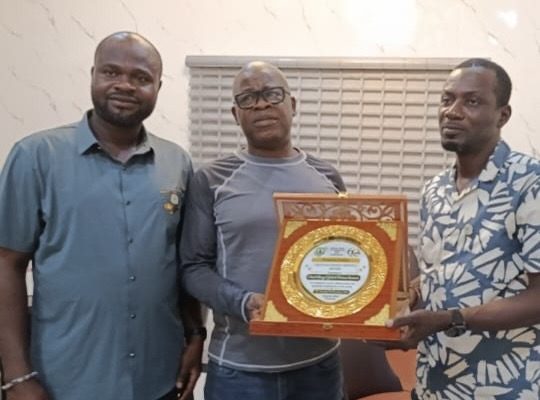
Earlier in his remarks, NUJ Oyo State Council Chairman, Comrade Akeem Abas, commended TikTok for the partnership, describing it as an investment in journalism, democracy and the integrity of the electoral process.
Abas urged journalists to embrace emerging technologies while maintaining professional standards, warning that digital visibility, virality and large followership should never be mistaken for credibility.
He cautioned media practitioners against becoming instruments of political manipulation, ethnic division and religious antagonism during the 2027 electioneering period.
The NUJ chairman also called on journalists to verify information, authenticate digital materials and interrogate political claims before publication, noting that false reports could inflame tensions and undermine public confidence.
In another session, Kunle Adebajo and Martins Ayotunde of Code for Africa exposed participants to techniques used to manipulate information and influence public opinion, particularly through coordinated online activities.

They explained how fabricated content, deepfakes, fake accounts and misleading images could be deployed to promote political narratives and deceive the public.
The facilitators demonstrated digital verification tools, including Google Lens, InVID and FotoForensics, and encouraged journalists to examine the sources, context and authenticity of images and videos before publishing them.
The workshop is aimed at preparing journalists to navigate the challenges of digital information and strengthen the credibility of election coverage ahead of the 2027 general elections.

Kehinde Ayanboade
Kehinde Ayanboade is the Managing Editor and Publisher of Naija Metro News, with over eight years of experience covering Nigerian politics, crime, legislative proceedings and metropolitan affairs.