

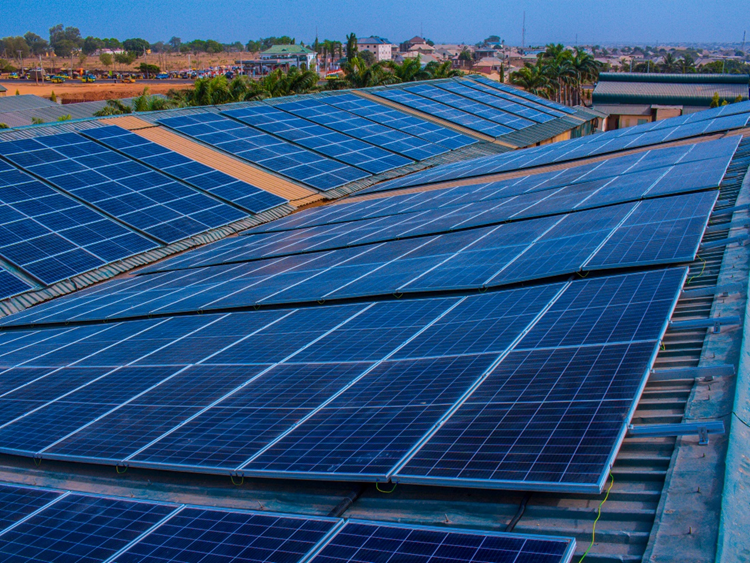
Nigerians using solar electricity can now earn credits to reduce their electricity bills by supplying excess power to the national grid under a scheme introduced by the Nigerian Electricity Regulatory Commission (NERC).
The initiative, known as the Net Billing Scheme, allows households and businesses with eligible solar installations to receive bill credits for electricity they generate but do not consume.
NERC announced the opportunity in a public awareness message shared on its official X account on Friday, November 13, 2026, urging electricity consumers to explore the benefits of the arrangement.
Solar energy users can now earn
Under the scheme, solar users can send surplus electricity generated by their panels to the national grid whenever production exceeds their household or business consumption.
The excess electricity supplied is then converted into credits, which are deducted from their electricity bills, helping them reduce their overall energy expenses.
In other words, Nigerians with eligible solar systems can benefit from the electricity they generate beyond their immediate needs instead of allowing unused power to go to waste.
According to the commission, the scheme is designed to encourage investment in renewable energy, increase electricity supply and give consumers additional value for investing in solar power.
NERC also explained that the initiative would enable Nigerians to generate their own electricity, lower energy costs and benefit from surplus power supplied to the grid.
How to benefit from the scheme
Interested solar users have been advised to study the provisions of the 2026 Net Billing Scheme to understand the requirements, eligibility conditions and procedures for participation.
NERC urged members of the public to visit its official website for detailed information about the programme and the conditions governing the supply of excess electricity to the national grid.
The initiative forms part of the commission’s broader efforts to promote renewable energy adoption and encourage wider participation in Nigeria’s electricity market.
Through the scheme, the regulator hopes to attract more investment in solar power while expanding electricity generation through contributions from households and businesses.

Kehinde Ayanboade
Kehinde Ayanboade is the Managing Editor and Publisher of Naija Metro News, with over eight years of experience covering Nigerian politics, crime, legislative proceedings and metropolitan affairs.